
Increase Your Home’s Energy Efficiency With Internal Wall Insulation Grants
Could your home benefit from cavity wall insulation? Are you experiencing high energy bills and an uncomfortable home due to the cold? If so, you might not realise that there are government grants for cavity wall insulation out there, just waiting for you to apply.
Why Choose Internal Wall Insulation?
Warmth leaks out of homes through uninsulated walls. This results in higher energy bills as you turn up the heating to compensate for the heat loss. If your home has solid exterior walls, as opposed to cavity walls, insulating them on the inside costs less than external insulation.
Installing or upgrading internal wall insulation (IWI) makes your home more energy efficient and comfortable, and you’ll enjoy long-term savings.
Types Of Internal Wall Insulation
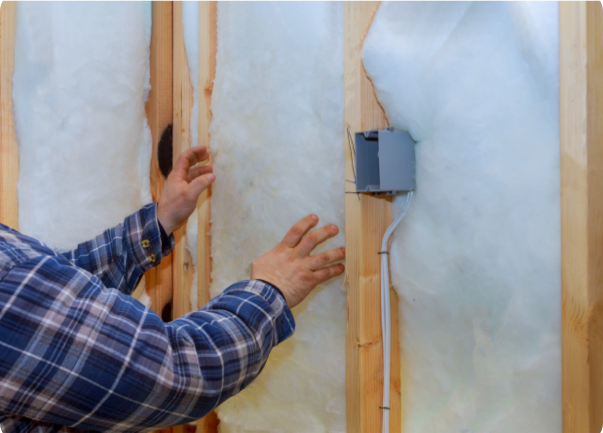
Walls can be insulated internally in various ways.
- Fixing rigid insulation boards to the wall.
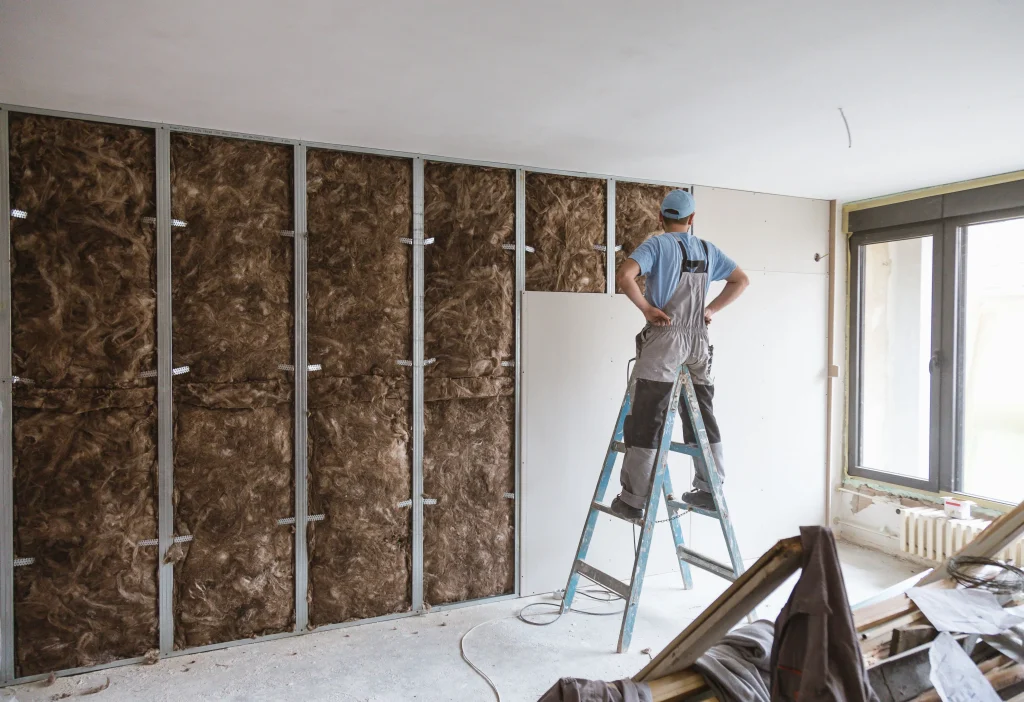
- Constructing a stud wall and filling it with material such as mineral wool fibre.
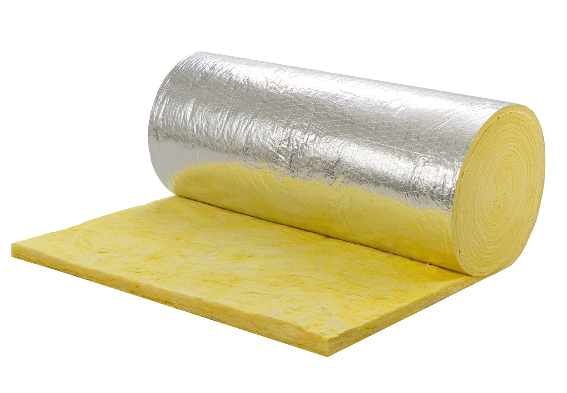
- Applying rolls of flexible thermal lining.
- Using a mix of plaster and insulating material such as cork.
Insulation boards and stud walls are the most effective insulation methods.
Stud walls are stronger than insulation boards so they can more easily bear the weight of wall fittings such as cupboards and shelves. But they’re often thicker, which takes up more floor space.
Internal wall insulation can be up to 50 percent cheaper than external wall insulation.
Benefits Of Internal Wall Insulation
Thermal internal wall insulation by Effective Home prevents home heating from going to waste. This improved thermal performance makes your home more comfortable, with lower energy bills and better air quality, with no drafts, damp or condensation. It also dampens noise transfer.
Internal wall insulation can also improve your Energy Performance Certificate (EPC) rating and increase the value of your property. Well-insulated homes are more attractive to potential buyers and tend to sell at higher prices, too.
Internal Wall Insulation Costs And Savings
The cost of internal wall insulation can range from £4,000 to £13,000, depending on the size and type of your property. This is a significant investment in your home but it can save you up to £930 a year on energy bills, meaning you’ll eventually make that investment back and then some.
Insulating the inside of exterior walls in a standard three-bedroom semi-detached home costs around £7,500. It reduces heat loss by up to 45 percent. This cuts energy bills by £380 a year and reduces carbon emissions by 880kg.
With an internal wall insulation grant, we can do the work at a substantially reduced price or even for free.

Government Grants For Internal Wall Insulation
You could qualify for free insulation for disabled people under the following grants
Great British Insulation Scheme
ECO4 Scheme
Benefits of home insulation in the UK
Improved energy efficiency
Better energy efficiency means less money spent each month on energy bills. Right now in the UK, there’s no denying that anything homeowners can do to reduce the amount of energy they use is a good thing.
When you install home insulation with Effective Home, your house will be able to maintain a comfortable temperature throughout the entire year. That’s right: insulation makes your house cooler in summer, and warmer in winter so you can enjoy your home year round!
Reduced environmental impact
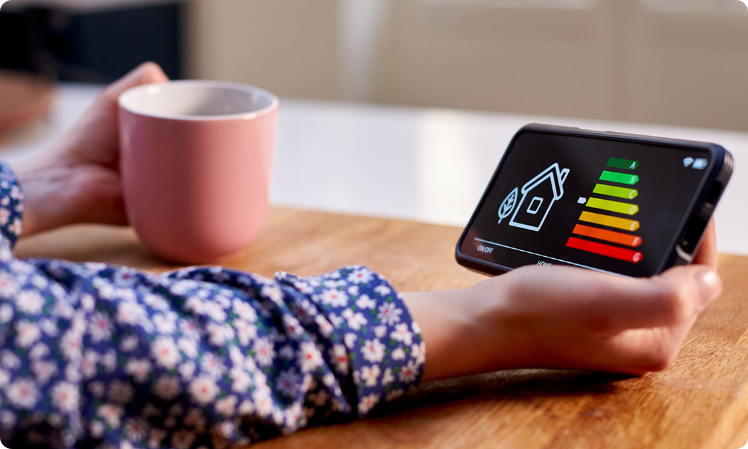
By using less energy to heat your home through proper insulation, you’ll be reducing your carbon footprint and doing your part to protect the environment. Insulating your home efficiently in the UK can significantly lower energy bills, sometimes by as much as 40%.
The UK government often provides grants and incentives for energy-saving measures like insulation, making it an economically smart move, too. In short, insulation contributes to a more comfortable, sustainable, and cost-effective home.

Increased comfort
With proper loft or wall insulation, you can enjoy a warmer, more comfortable home all year round. Say goodbye to cold spots and drafts, and hello to a more even and consistent temperature throughout your home.
The right insulation materials can provide added benefits like noise reduction, too, further enhancing the peace you feel within your home. By investing in proper wall insulation, you’re embracing both comfort and efficiency.

Increase property value
Insulating your walls can be a smart investment, especially in the UK, where energy efficiency is a sought-after feature for homes. It can increase the value of your property and make it more attractive to potential buyers. Prospective homeowners are often drawn to houses that have effective insulation, recognising the long-term savings and comfort they offer.
With the growing emphasis on environmental responsibility, properties with proper insulation align with the contemporary demand for eco-friendly housing. Hence, wall insulation is not merely a home improvement but an enhancement that pays dividends in the property market should you come to sell up in the future.

Noise reduction
Wall insulation can also help to reduce noise pollution from outside, making your home a quieter and more peaceful place to be, especially in busy urban areas of the UK.
By adding a barrier between your home’s interior and the external environment, insulation can effectively dampen the sounds of traffic, neighbours, or other loud disturbances. This soundproofing effect can contribute to a higher quality of life, providing a serene refuge from the bustling world outside.

It pays to insulate your home
Reduce your home’s carbon footprint by up to 1300kgCO2 a year
With insulation you could save £100s on heating bills each year
Apply for ECO funding or other grants if eligible
Is Internal Wall Insulation Right For Your Home?
Internal wall insulation is worth considering if you live in an older property with solid stone or brick walls (without a cavity). It will improve living conditions and result in big savings on heating costs.
However, internal wall insulation is more disruptive than external wall insulation, and you may want to move out of the rooms during the work. This is why homeowners often choose to insulate walls internally when they’re having other home upgrade work done, to prevent further disruption.

Why Choose Effective Home?
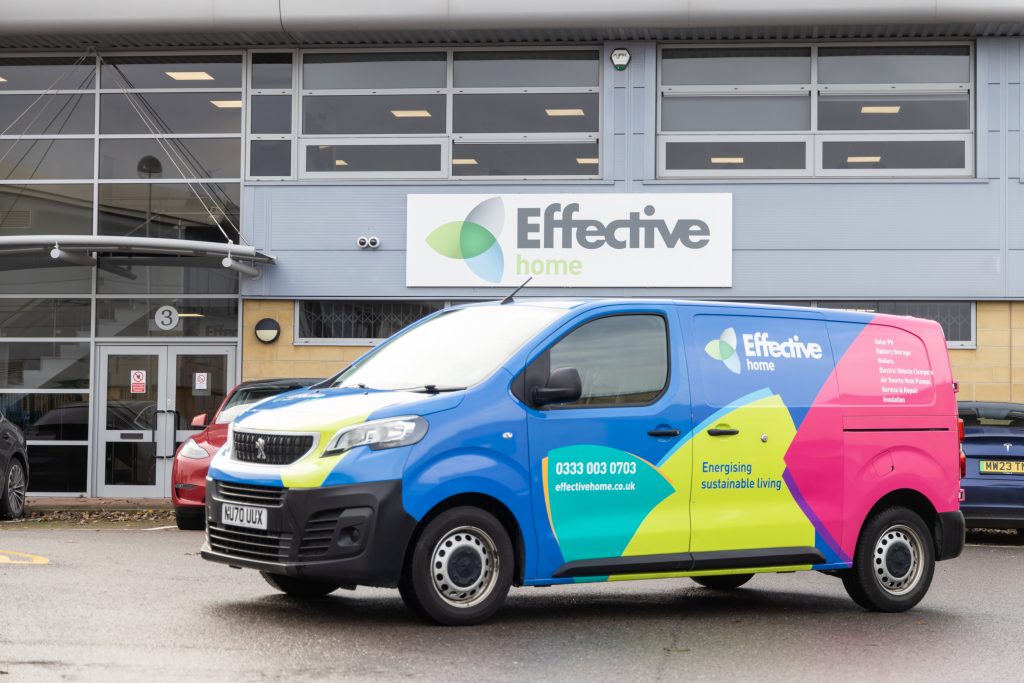
Effective Home is endorsed by the government as experts in carrying out the internal wall insulation work it funds. We’re also adept at helping our customers find the best insulation grants and insulation solutions for their homes.
With our help, you’ll never miss out on the internal wall insulation funding you’re entitled to. All you need to do is give us a few details and we’ll get to work on your behalf.
What Our Customers Say
Don’t just take our word for it. See what our satisfied customers have to say about their solar journey with Effective Home.
Trusted and Accredited






Internal Wall Insulation FAQs
Internal Wall Insulation FAQs
Various types of materials can be used to insulate a solid wall internally, including:
- Rigid insulation boards such as polyurethane (PUR) or polyisocyanurate (PIR) boards.
- Rigid foam insulation boards such as extruded polystyrene (XPS) or expanded polystyrene (EPS) boards.
- Mineral wool insulation such as rock wool or glass wool.
- Natural fibre insulation such as sheep wool or wood fibre.
Do I need planning permission for internal wall insulation?
Planning consent isn’t typically needed for internal wall insulation. However, if your home is a listed building or in a conservation area, you should consult your local planning authority.
How long will internal wall insulation last?
You can expect your internal wall insulation to last at least 25 years. Some insulation is made of natural materials, which eventually degrade. Synthetic insulation materials can last for almost 100 years.
How much will internal wall insulation cost me?
Effective Home can tell you the cost of insulating your walls internally after carrying out a home survey, on site or remotely.
If you can get government funding, the final price will be significantly lower. It could even cover the entire cost.
Contact us now to get a free, no-obligation internal wall insulation quote.